What you’ll learn in this post
- What gardening means in simple terms
- Why gardening is good for your health, home, and lifestyle
- Different types of gardening for beginners
- Basic gardening tools and easy first steps
- Simple tips to start a garden successfully
- Frequently asked questions about gardening
Have you ever looked at a beautiful flower bed, a basket of homegrown tomatoes, or a peaceful green backyard and thought, “I wish I could create something like that”?
The good news is—you can.
Gardening is more than planting seeds in soil. It is the art of growing life, creating beauty, reducing stress, and connecting with nature right where you are. Whether you have a large backyard, a small balcony, or just a sunny windowsill, gardening gives you the power to transform ordinary spaces into living, breathing places of peace, color, and nourishment.
If you’ve been wondering what is gardening, this beginner-friendly guide will help you understand the meaning of gardening, why it matters, and how you can start your own garden with confidence.
What Is Gardening?
Gardening is the practice of growing and caring for plants, including flowers, vegetables, fruits, herbs, shrubs, trees, and ornamental plants. It involves planting, watering, feeding, pruning, weeding, and maintaining plants so they can grow healthy and strong.
In simple words, gardening means helping plants grow.
Gardening can be done almost anywhere:
- In a backyard
- On a balcony
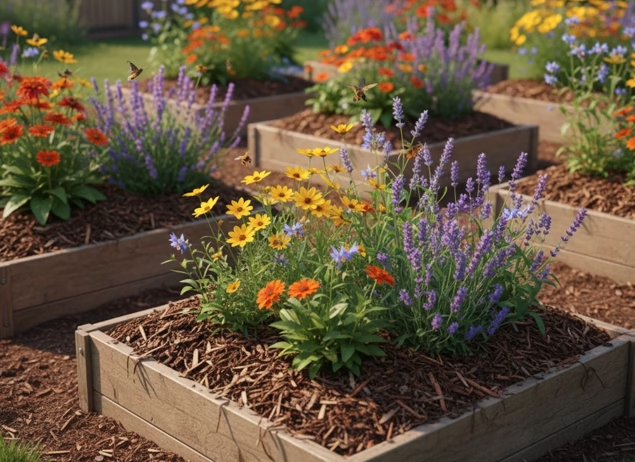
- In raised garden beds
- In containers or pots
- On a rooftop
- Indoors near a sunny window
- In a community garden
People garden for many reasons. Some want fresh vegetables. Others want colorful flowers. Many garden because it brings peace, improves mental health, and makes their home feel more alive.
According to the Royal Horticultural Society, gardening can support wellbeing, encourage outdoor activity, and help people build a stronger connection with nature.
A Quick Answer: What Is Gardening?
Gardening is the process of growing and maintaining plants for beauty, food, health, relaxation, or environmental benefits. It can include growing flowers, vegetables, herbs, fruits, and decorative plants in outdoor or indoor spaces.
Why Is Gardening Important?
Gardening is important because it benefits people, homes, communities, and the environment. It is one of the simplest ways to improve your lifestyle while creating something beautiful and useful.
Here’s why gardening matters:
1. Gardening Improves Mental Health
There is something deeply calming about touching soil, watering plants, and watching new leaves appear. Gardening can reduce stress, improve mood, and give you a sense of purpose.
After a long day, stepping into a garden can feel like breathing again.
2. Gardening Helps You Grow Fresh Food
Vegetable gardening allows you to grow your own tomatoes, lettuce, peppers, carrots, herbs, and more. Homegrown food often tastes fresher because it goes straight from garden to plate.
The USDA offers helpful information on agriculture, food systems, and sustainable growing practices.
3. Gardening Beautifies Your Home
Flowers, shrubs, and ornamental plants can instantly make a space more welcoming. A well-kept garden increases curb appeal and makes your home feel warm, peaceful, and inviting.
4. Gardening Supports Pollinators
Plants attract bees, butterflies, birds, and other helpful wildlife. Pollinator-friendly gardening supports biodiversity and contributes to a healthier environment. You can learn more about supporting pollinators from the National Wildlife Federation.
5. Gardening Encourages Healthy Living
Gardening gets you moving. Digging, planting, watering, and weeding are gentle physical activities that support strength, flexibility, and overall wellness.
The Unique Power of Gardening
The unique selling proposition of gardening is simple: it gives you beauty, food, wellness, and sustainability in one rewarding activity.
Few hobbies offer so much at once. Gardening can feed your family, decorate your home, calm your mind, support wildlife, and teach patience—all from a handful of seeds and a little daily care.
Unlike many hobbies that require expensive equipment or special training, gardening is flexible. You can start small, spend little, and grow at your own pace.
That is what makes gardening so powerful for beginners.
This Yucca Tip is available for your house use link below the photo! Dont like? ENJOY $20 OFF of $150 or more Use Code: 20YD150

Different Types of Gardening
Gardening is not one-size-fits-all. You can choose a style based on your space, lifestyle, climate, and goals.
1. Flower Gardening
Flower gardening focuses on growing beautiful blooms such as roses, tulips, marigolds, lilies, lavender, and sunflowers.
Best for:
- Adding color to your home
- Creating relaxing outdoor spaces
- Attracting butterflies and bees
- Improving curb appeal
2. Vegetable Gardening
Vegetable gardening is the practice of growing edible plants like tomatoes, cucumbers, lettuce, spinach, beans, and carrots.
Best for:
- Fresh homegrown food
- Saving money on groceries
- Healthy eating
- Family gardening projects
3. Herb Gardening
Herb gardening is perfect for beginners because many herbs are easy to grow in small spaces. Popular herbs include basil, mint, parsley, rosemary, thyme, and cilantro.
Best for:
- Small balconies
- Kitchen windowsills
- Cooking fresh meals
- Beginner gardeners
4. Container Gardening
Container gardening means growing plants in pots, buckets, planters, or other containers instead of directly in the ground.
Best for:
- Apartments
- Patios
- Small spaces
- Renters
5. Indoor Gardening
Indoor gardening involves growing houseplants, herbs, or small vegetables inside your home.
Best for:
- Year-round greenery
- Air quality improvement
- Home decoration
- People without outdoor space
6. Raised Bed Gardening
Raised bed gardening uses framed garden beds filled with soil. It is popular because it improves drainage, reduces weeds, and makes gardening easier on your back.
Best for:
- Beginners
- Vegetable gardens
- Poor native soil
- Organized garden layouts
Basic Gardening Tools for Beginners
You do not need a shed full of tools to start gardening. A few simple items are enough.
Essential gardening tools include:
- Garden gloves to protect your hands
- Hand trowel for digging small holes
- Watering can or hose to water plants
- Pruning shears for trimming plants
- Garden fork for loosening soil
- Rake for clearing leaves and leveling soil
- Plant containers if you are growing in pots
- Good-quality soil for healthy roots
Start with the basics. As your confidence grows, you can add more tools.
How to Start Gardening: Beginner Steps
Starting a garden may feel overwhelming, but it becomes much easier when you follow a simple plan.
Step 1: Choose Your Gardening Space
Look for a place with enough sunlight. Most vegetables and flowers need at least 6 hours of sunlight per day. Herbs and some leafy greens can tolerate partial shade.
Good beginner spaces include:
- A sunny backyard corner
- A balcony with pots
- A raised garden bed
- A kitchen windowsill
- A front porch planter
Step 2: Decide What You Want to Grow
Ask yourself: Do I want beauty, food, fragrance, or all three?
Easy plants for beginners include:
- Basil
- Mint
- Lettuce
- Tomatoes
- Marigolds
- Sunflowers
- Zinnias
- Radishes
- Spinach
Step 3: Prepare the Soil
Healthy soil is the foundation of successful gardening. Plants need soil that holds moisture but drains well.
Good garden soil should be:
- Loose
- Rich in organic matter
- Well-draining
- Full of nutrients
Adding compost can improve soil quality naturally.
Step 4: Plant at the Right Time
Some plants grow best in spring, while others prefer summer or fall. Check your local growing season before planting. Seed packets usually include planting instructions, sunlight needs, and spacing recommendations.
Step 5: Water Consistently
Most beginner gardening problems come from too much or too little water. Water deeply when the soil feels dry about an inch below the surface.
Quick tip: Water the soil, not the leaves. This helps prevent disease and encourages strong roots.
Step 6: Remove Weeds
Weeds compete with your plants for water, sunlight, and nutrients. Pull weeds regularly while they are small.
Step 7: Watch, Learn, and Enjoy
Gardening teaches patience. Some days you will see fast growth. Other days, nothing seems to happen. But beneath the soil, roots are working.
Keep learning, keep observing, and celebrate every new sprout.
Gardening Benefits at a Glance
Here are the biggest benefits of gardening in a quick list:
- Reduces stress and anxiety
- Improves home beauty
- Provides fresh fruits, herbs, and vegetables
- Encourages physical activity
- Supports pollinators and wildlife
- Helps children learn about nature
- Promotes sustainable living
- Creates a peaceful outdoor space
- Builds patience and confidence
- Makes your home feel more alive
Common Gardening Mistakes Beginners Should Avoid
Every gardener makes mistakes. The secret is learning from them.
Avoid these beginner gardening mistakes:
- Overwatering plants
Too much water can rot roots. - Planting in the wrong location
Sun-loving plants need enough light to thrive. - Using poor soil
Weak soil leads to weak plants. - Planting too close together
Crowded plants compete for nutrients and airflow. - Ignoring pests too long
Check leaves often for damage. - Starting too big
A small successful garden is better than a large stressful one. - Forgetting to harvest
Many herbs and vegetables grow better when harvested regularly.
Is Gardening Good for Beginners?
Yes, gardening is excellent for beginners because it can be as simple or advanced as you want it to be. You can begin with one pot of basil, a few flowers, or a small vegetable bed.
You do not need to be an expert. You only need curiosity, patience, and a willingness to learn.
If you are nervous, start with easy plants. Herbs, marigolds, lettuce, and radishes are beginner-friendly and rewarding.
Best Plants for Beginner Gardeners
If you want quick success, choose plants that are easy to grow and forgiving.
Easy flowers:
- Marigolds
- Sunflowers
- Zinnias
- Petunias
- Pansies
Easy vegetables:
- Lettuce
- Radishes
- Green beans
- Tomatoes
- Spinach
Easy herbs:
- Basil
- Mint
- Parsley
- Chives
- Rosemary
Easy indoor plants:
- Snake plant
- Pothos
- Spider plant
- Peace lily
- ZZ plant
These plants are popular because they adapt well and do not require complicated care.
Gardening Tips for Better Results
Want your garden to grow stronger? Use these simple gardening tips:
- Start small and expand slowly
- Choose plants suited to your climate
- Read plant labels and seed packets
- Water early in the morning
- Use mulch to retain moisture
- Add compost to enrich soil
- Group plants with similar needs together
- Check plants regularly for pests
- Prune dead leaves and flowers
- Be patient with the process
The more time you spend with your plants, the better you will understand what they need.
What Is the Difference Between Gardening and Landscaping?
Gardening and landscaping are related, but they are not exactly the same.
Gardening focuses on growing and caring for plants. This includes planting flowers, vegetables, herbs, shrubs, and trees.
Landscaping focuses on designing and shaping outdoor spaces. It may include plants, pathways, patios, lighting, lawns, water features, and hardscape design.
In short:
- Gardening = growing and maintaining plants
- Landscaping = designing and improving outdoor spaces
Many homeowners use both to create beautiful yards.
Can You Garden Without a Backyard?
Absolutely. You do not need a large yard to enjoy gardening.
You can garden in:
- Pots
- Hanging baskets
- Window boxes
- Grow bags
- Indoor containers
- Vertical planters
- Balcony railing planters
Container gardening and indoor gardening are perfect for people who live in apartments, condos, or urban areas.
A single pot of herbs on a windowsill still counts as gardening.
Final Thoughts: Gardening Starts With One Plant
Gardening is the practice of growing and caring for plants, but it is also much more than that. It is a way to slow down, breathe deeper, eat fresher, live healthier, and create beauty with your own hands.
You do not need a perfect garden to begin. You do not need expensive tools or expert knowledge.
You only need one plant.
Start with a small pot of basil, a packet of flower seeds, or a tomato seedling. Give it sunlight, water, care, and attention. Then watch what happens.
Because gardening is not just about growing plants.
It is about growing joy.
FAQs About Gardening
What is gardening in simple words?
Gardening is growing and taking care of plants. This can include flowers, vegetables, fruits, herbs, trees, shrubs, and indoor plants.
What is the main purpose of gardening?
The main purpose of gardening is to grow plants for food, beauty, relaxation, health, or environmental benefits. Many people garden to enjoy fresh produce, decorate their homes, and reduce stress.
Is gardening easy for beginners?
Yes, gardening can be easy for beginners if you start small and choose simple plants. Herbs, lettuce, marigolds, radishes, and snake plants are great beginner options.
What are the basic things needed for gardening?
Basic gardening supplies include soil, seeds or plants, water, sunlight, containers or garden beds, gloves, and a small hand trowel.
What are the different types of gardening?
Common types of gardening include flower gardening, vegetable gardening, herb gardening, container gardening, indoor gardening, raised bed gardening, and organic gardening.
Why is gardening good for your health?
Gardening can reduce stress, encourage physical movement, improve mood, and help you spend more time outdoors. It can also support healthier eating if you grow fruits, herbs, or vegetables.
Can I start gardening with no experience?
Yes. Many successful gardeners start with no experience. Begin with one or two easy plants, learn their basic needs, and build your skills over time.
What is the best plant to grow first?
Some of the best first plants for beginners are basil, mint, lettuce, marigolds, sunflowers, radishes, and tomatoes.
How often should I water my garden?
Watering depends on the plant, weather, and soil type. A good rule is to water when the top inch of soil feels dry. Avoid keeping soil constantly soggy.
Can gardening save money?
Yes, gardening can save money, especially when growing herbs, vegetables, and fruits at home. It can also reduce the need to buy decorative plants or cut flowers.
🌿 Helpful Deals & Resources
-Check out VRBO for your home away from home now for great deals: Vrbo Homes
-Do you Shop Online? use Rakuten to get cashback with your first purchase spend 50$ get $50 back via paypal or giftcards use link: Rakuten Cash Back
-Do you Shop Online? and want to compare between Rakuten and Honey (Paypal) then use use link to get $5 back on your first purchase:Honey Cash Back
–Temu (Temu Site link) 100 coupon bundle with download of app New User OnlyCoupon Bundle
-Temu (Temu Site link) US Users get 30% off for orders $39+, max deduction $25. New User Only! 30 off
–Check out Orbitz for Weekly Deals: Last Minute Hotel Deals, Flights, Vacation and Car rentals!
–Take supplements? How about 25% off? Shop Natural Made’s best sellers now and receive 25% off your first order. use link: 25 off first order
– Looking for Wall Prints for your house checkout the latest styles here: TheVelouraPrints
The Struggles of a Lonely Entrepreneur: The truth is, entrepreneurship is as much about resilience as it is about success. These struggles are vividly captured in The Lonely Entrepreneur: How to Stay Motivated When No One Gets Your Hustle.
Qmee: The reason i like this is the pay out is as much as you have in your account. They use paypal to send you the money. If you are constant enough they add a 10% streak to your winnings. I usually look out for at least .10 cents a minute surveys. (So if the survey is 6 minutes i want at least .60 cents) The Amount of money you can make is based on your time and how many surveys you do! **No guarantee that you will get every survey** By signing up with the link below you get .50 Cents to start! Sign up on the computer only to get the reward! use link: Qmee
1Q: The ultimate favorite every single poll question that you get is .25 ! direct to paypal! No hassle no long wait just fill the question and get the money. The Amount of money you can make is based how many surveys come out and how often. Its usually about 1-2 questions a month use link: 1Q
User Interviews: User Interviews is one of the upcoming survey apps. This one is DIFFERENT then whats mentioned above. These are more focus groups that pay at least 1$/min and usually vary in length and dollar value. For example a 5 minute focus group give you 10$. **No guarantee that you will get every survey** With my code you will receive a start bonus of 10$. use link: userinterviews
McMoney: Already get thoses spam texts? Why not get paid for each one? With McMoney every so often they will send you a random text that you have to do nothing about… each text is .06 and after 6$ they send the payout to paypal. use code G3ZPZMRM for bonus start! Mcmoney
Worthy Worthy Bonds are 10$ each but they pay 5% interest a year and paid out daily. ** As like any investment their is no guarantee on investing your money, these are just some options** With my code you will receive a free bond (10$) for signing up for the app. use link: Worthy
Fundrise Ever want to invest in real estate and have no money? With Fundrise you now can! They Invest your money for you in their real estate portfolio. You can invest for as little as 10$! They pay dividends and they say the rate of return is an average of 5% ** As like any investment their is no guarantee on investing your money, these are just some options** With my code you will receive bonus shares for signing up for the app. use link: Fundrise
Robinhood: This is a user friendly trading app, where you can invest in stocks or fractions of your favorite stocks! Webull has really good technical information for trading which once you get the hang of it; it really makes a difference in your trading. ** As like any investment their is no guarantee on investing your money, these are just some options** With my code you will receive 12 fractional stocks shares for signing up for the app ( The Value is random). use link: Robinhood
Webull This is a user friendly trading app, where you can invest in stocks or fractions of your favorite stocks! Webull has a really good technical interface. It is the better app if you are about making trades using charts and signals. ** As like any investment their is no guarantee on investing your money, these are just some options** With my code you will receive 12 free stock fractional shares for signing up for the app ( The Value is random). use link: Webull