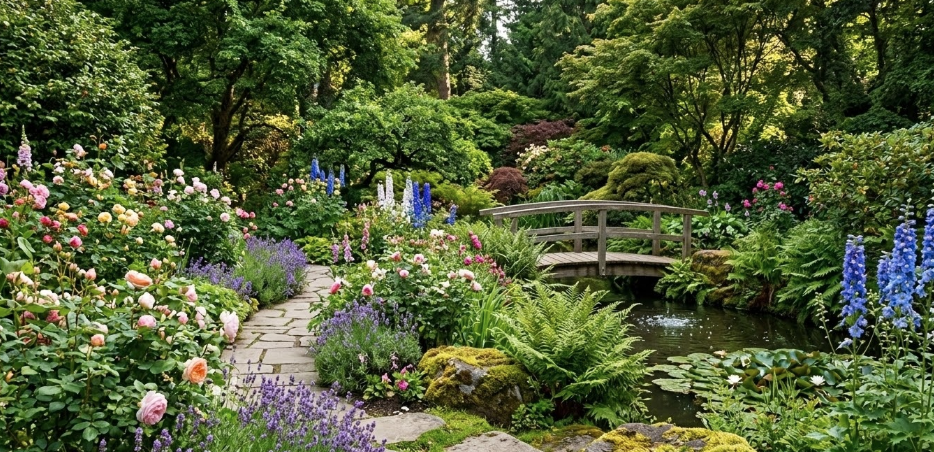
As climate patterns shift and gardeners become more environmentally conscious, low-water pollinator gardens are emerging as one of the most important gardening trends of 2026. These gardens combine two powerful ideas: conserving water and supporting pollinators such as bees, butterflies, and hummingbirds. The result is a resilient, beautiful landscape that benefits both your garden and the broader ecosystem.
In this guide, we’ll explore why low-water pollinator gardens are gaining popularity and how you can create one successfully.
Why Pollinator Gardens Matter More Than Ever
Pollinators are essential to global food production and ecosystem health. Roughly 75% of flowering plants and over one-third of food crops rely on pollinators to reproduce. However, habitat loss, pesticide use, and climate change have significantly reduced pollinator populations worldwide.
Creating pollinator-friendly gardens helps address this problem by providing:
- Nectar and pollen sources
- Shelter and nesting sites
- Chemical-free environments
Even a small backyard garden can become a valuable refuge for pollinators.
The Water Conservation Advantage
Traditional ornamental gardens often rely on heavy irrigation, especially during summer months. A low-water pollinator garden focuses on plants that are naturally adapted to dry conditions.
Benefits include:
- Reduced water bills
- Less maintenance
- Greater drought resilience
- Healthier soil ecosystems
These gardens thrive with minimal watering once established, making them ideal for gardeners who want sustainability without sacrificing beauty.
Best Plant Types for Low-Water Pollinator Gardens
Choosing the right plants is the foundation of success. Focus on native and drought-tolerant flowering species that provide nectar throughout the growing season.
Early Season Bloomers
These support pollinators emerging from winter.
Examples:
- Penstemon
- Wild columbine
- Lupine
Mid-Season Nectar Plants
These keep bees and butterflies active during peak summer.
Examples:
- Coneflower
- Bee balm
- Blanket flower
Late-Season Lifelines
Late bloomers provide food when other sources disappear.
Examples:
- Goldenrod
- Aster
- Sedum
By planting species that bloom at different times, you ensure continuous food sources from spring through fall.
Design Principles for a Pollinator-Friendly Garden
A successful pollinator garden isn’t random—it follows ecological design principles.
1. Plant in Clusters
Pollinators locate flowers more easily when the same plant species are grouped together.
2. Provide Flower Diversity
Different pollinators prefer different flower shapes, colors, and nectar depths.
3. Include Shelter
Leave small areas of:
- Bare soil
- Hollow stems
- Brush piles
These provide nesting sites for native bees and beneficial insects.
4. Avoid Chemical Pesticides
Even “organic” pesticides can harm pollinators. Focus instead on biodiversity and natural predators.
Soil and Mulching Strategies
Healthy soil helps drought-tolerant plants thrive.
Recommended practices include:
- Adding compost to improve water retention
- Using organic mulch to reduce evaporation
- Minimizing soil disturbance to protect beneficial microbes
Mulch also suppresses weeds, which reduces maintenance.
Small-Space Pollinator Gardening
You don’t need a large yard to participate in this trend. Pollinator gardens can work in:
- Balconies
- Urban patios
- Raised beds
- Container gardens
Choose compact native perennials and flowering herbs such as thyme, oregano, and lavender. Even a few containers can attract surprising numbers of pollinators.
Final Thoughts
Low-water pollinator gardens represent the future of sustainable home gardening. They require fewer resources, support vital wildlife, and create vibrant landscapes filled with movement and color.
By selecting drought-tolerant plants, designing with pollinators in mind, and minimizing chemical use, gardeners can create outdoor spaces that are both environmentally responsible and visually stunning.
In 2026 and beyond, the most beautiful gardens may not be the ones that demand the most water—but the ones that work in harmony with nature.