
What you’ll learn in this post
- Why a snake plant in your bedroom is a low-effort, high-impact upgrade
- The biggest bedroom plant benefits (sleep, mood, air comfort, style)
- Which plants are best for bedrooms—plus quick care tips
- Safety notes (pets/children) and simple setup ideas
You close your bedroom door at night hoping for rest—but the room can feel stale, dry, and mentally “noisy.” If you’ve ever stared at the ceiling wishing you could sleep deeper or wake up calmer, adding a snake plant (or a few other best bedroom plants) might be the easiest change you make all year.
A bedroom plant isn’t just décor. It’s a tiny, living signal that your space is safe, cared for, and meant for recovery. And the best part? You don’t need a green thumb.
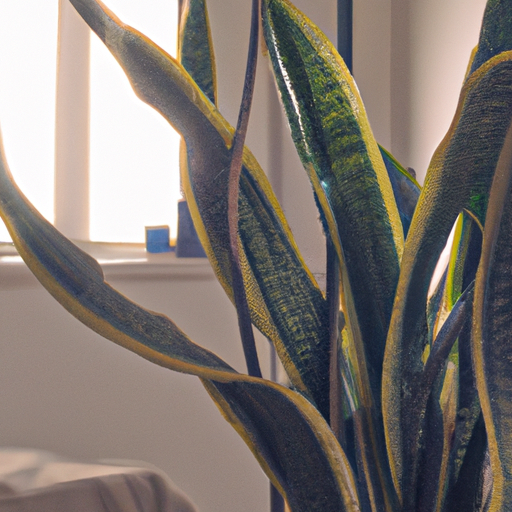
A snake plant (Sansevieria/Dracaena trifasciata) is one of the most forgiving houseplants on the planet: it thrives on low light, needs minimal watering, and still delivers standout bedroom plant benefits—making it the ideal “set it and forget it” plant for busy people.
Why you should have a snake plant (or other plants) in your bedroom
1) A calmer mind the moment you walk in
Bedrooms are for decompression. Adding greenery creates a softer, more restorative vibe—something many people feel instantly. A snake plant in the bedroom adds natural structure and color without visual clutter.
Quick answer: Plants can make your space feel more peaceful, which supports better wind-down routines.
2) A simple ritual that supports better sleep habits
Better sleep often starts before your head hits the pillow. Caring for a plant—checking the soil, wiping leaves, watering occasionally—becomes a gentle evening routine that nudges you away from screens.
Try this: Place your snake plant near your dresser as a “phone down” cue during bedtime.
3) A low-maintenance win for beginners (snake plant advantage)
If you’ve killed plants before, this is your redemption arc. Snake plants tolerate missed waterings and handle a range of indoor conditions.
Snake plant care basics (bedroom-friendly):
- Light: low to bright indirect light
- Water: only when soil is dry (often every 2–4 weeks)
- Bonus: drought-tolerant, resilient, upright growth
For deeper care guidance, see Almanac’s Snake Plant guide :
https://www.almanac.com/plant/snake-plants
This Murcott Honey Tangerine Tree is available for your house! Dont like? ENJOY $20 OFF of $150 or more Use Code: 20YD150

4) Better-looking room with almost no effort
A snake plant’s tall, architectural leaves instantly make a bedroom look more styled—like you planned the space, even if you didn’t.
Fast styling ideas:
- One large snake plant in a corner for “hotel room” vibes
- Two medium plants framing a nightstand or dresser
- A clean ceramic pot to match your bedding tones
5) A more comfortable indoor environment (especially in winter)
Many bedrooms feel dry and stuffy, especially with heating or AC running. While plants aren’t a replacement for ventilation, adding greenery can contribute to a more pleasant-feeling room—especially when paired with good airflow and clean surfaces.
Pair it with: cracking a window for 10 minutes daily if weather allows.
6) A natural mood boost you’ll actually notice
You don’t need a total life overhaul—sometimes you just need your room to feel less harsh and more alive. Waking up to something green can make mornings feel less abrupt.
Small change, big payoff: A plant gives your eyes a “resting place,” which can reduce the sense of mental clutter.
Check out VRBO for your home away from home now for great deals: Vrbo Homes
7) It’s a space-saving plant (perfect for small bedrooms)
Not everyone has room for big furniture—or big plants. Snake plants grow upward, not outward, so they fit tight layouts easily.
Great spots:
- Corner by the closet
- Next to a bed frame
- Beside a bookshelf (as a vertical accent)
8) You can choose plants that match your bedroom light
Not every bedroom has bright windows. The good news: there are several best plants for bedroom conditions.
Best bedroom plants (easy picks):
- Snake plant (low light tolerant, beginner-friendly)
- ZZ plant (tough, low maintenance)
- Pothos (fast growth, trailing aesthetic)
- Peace lily (beautiful, but needs more consistent care)
More plant options and household safety info can be explored at ASPCA’s toxic/non-toxic plant list :
https://www.aspca.org/pet-care/animal-poison-control/toxic-and-non-toxic-plants
9) It makes your bedroom feel like a “recovery zone,” not just a room
A bedroom should support your nervous system—comfort, calm, and reset. A plant is a subtle but powerful symbol: this is a place for rest.
If you’re building a healthier home environment overall, NASA’s widely cited indoor air research is often referenced in discussions about houseplants :
https://ntrs.nasa.gov/citations/19930073077
Quick setup: How to place a snake plant in your bedroom
- Pick the right size: medium plant for a nightstand area, large for corners
- Use a pot with drainage: helps prevent root issues
- Don’t overwater: the #1 reason snake plants struggle
- Keep it visible: you’ll enjoy it more and remember care routines
FAQs
Is a snake plant good for bedrooms?
Yes. A snake plant in the bedroom is popular because it’s hardy, attractive, and easy to care for—ideal for creating a calmer, more relaxing sleep space.
Where should I put a snake plant in my bedroom?
Great spots include a bright corner, near a dresser, or beside a nightstand. Aim for indirect light, but it can tolerate lower-light areas too.
How often should I water a snake plant in the bedroom?
Water only when the soil is fully dry. In many bedrooms, that’s roughly every 2–4 weeks, depending on light and season.
What are the best bedroom plants besides snake plants?
Top alternatives include ZZ plant, pothos, and peace lily (note: peace lily needs more consistent watering and may not be ideal for beginners).
Are snake plants safe for pets?
Snake plants are considered toxic to cats and dogs if ingested. If you have pets that chew plants, place it out of reach or choose a pet-safe alternative.
🌿 Helpful Deals & Resources
-Check out VRBO for your home away from home now for great deals: Vrbo Homes
-Do you Shop Online? use Rakuten to get cashback with your first purchase spend 50$ get $50 back via paypal or giftcards use link: Rakuten Cash Back
-Do you Shop Online? and want to compare between Rakuten and Honey (Paypal) then use use link to get $5 back on your first purchase: Honey Cash Back
–Temu (Temu Site link) 100 coupon bundle with download of app New User Only Coupon Bundle
-Temu (Temu Site link) US Users get 30% off for orders $39+, max deduction $25. New User Only! 30 off
Qmee: The reason i like this is the pay out is as much as you have in your account. They use paypal to send you the money. If you are constant enough they add a 10% streak to your winnings. I usually look out for at least .10 cents a minute surveys. (So if the survey is 6 minutes i want at least .60 cents) The Amount of money you can make is based on your time and how many surveys you do! **No guarantee that you will get every survey** By signing up with the link below you get .50 Cents to start! Sign up on the computer only to get the reward! use link: Qmee
1Q: The ultimate favorite every single poll question that you get is .25 ! direct to paypal! No hassle no long wait just fill the question and get the money. The Amount of money you can make is based how many surveys come out and how often. Its usually about 1-2 questions a month use link: 1Q
User Interviews: User Interviews is one of the upcoming survey apps. This one is DIFFERENT then whats mentioned above. These are more focus groups that pay at least 1$/min and usually vary in length and dollar value. For example a 5 minute focus group give you 10$. **No guarantee that you will get every survey** With my code you will receive a start bonus of 10$. use link: userinterviews
McMoney: Already get thoses spam texts? Why not get paid for each one? With McMoney every so often they will send you a random text that you have to do nothing about… each text is .06 and after 6$ they send the payout to paypal. use code G3ZPZMRM for bonus start! Mcmoney
Worthy Worthy Bonds are 10$ each but they pay 5% interest a year and paid out daily. ** As like any investment their is no guarantee on investing your money, these are just some options** With my code you will receive a free bond (10$) for signing up for the app. use link: Worthy
Fundrise Ever want to invest in real estate and have no money? With Fundrise you now can! They Invest your money for you in their real estate portfolio. You can invest for as little as 10$! They pay dividends and they say the rate of return is an average of 5% ** As like any investment their is no guarantee on investing your money, these are just some options** With my code you will receive bonus shares for signing up for the app. use link: Fundrise
Robinhood: This is a user friendly trading app, where you can invest in stocks or fractions of your favorite stocks! Webull has really good technical information for trading which once you get the hang of it; it really makes a difference in your trading. ** As like any investment their is no guarantee on investing your money, these are just some options** With my code you will receive 12 fractional stocks shares for signing up for the app ( The Value is random). use link: Robinhood
Webull This is a user friendly trading app, where you can invest in stocks or fractions of your favorite stocks! Webull has a really good technical interface. It is the better app if you are about making trades using charts and signals. ** As like any investment their is no guarantee on investing your money, these are just some options** With my code you will receive 12 free stock fractional shares for signing up for the app ( The Value is random). use link: Webull