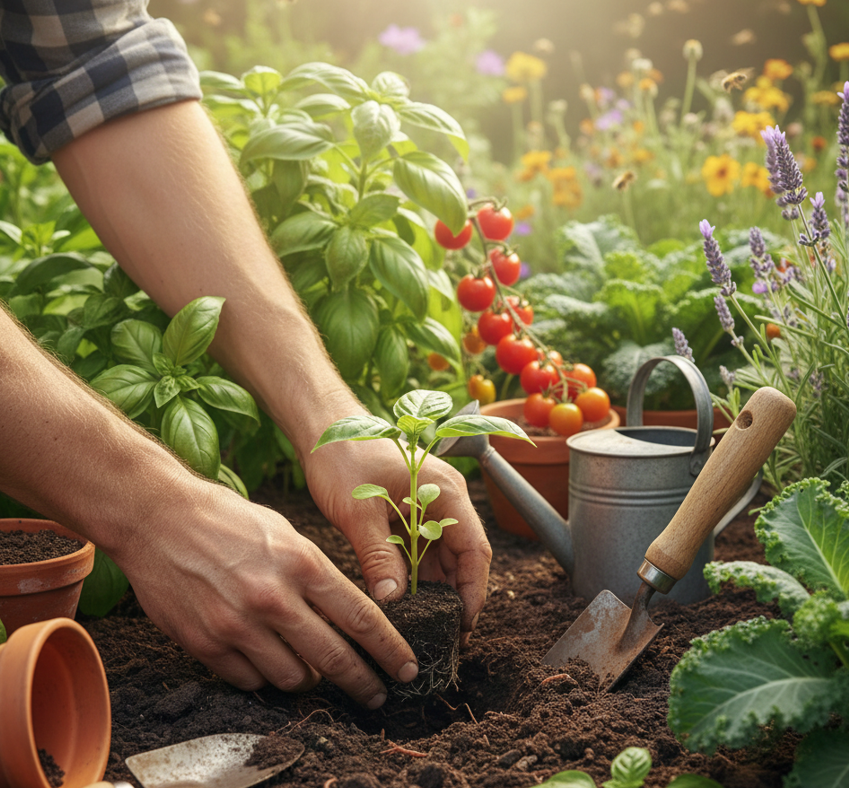
Gardening is more than a hobby, it’s a lifestyle. Whether you’re a seasoned horticulturist or a beginner eager to see the first green sprout in your backyard, the world of organic gardening offers a wealth of opportunities to connect with nature, grow your own food, and create a sustainable, thriving garden. On gardeningslash.com, we dive deep into practical tips, little-known techniques, and innovative ideas that will elevate your garden from ordinary to extraordinary.
Why Organic Gardening Matters
Organic gardening isn’t just a trend—it’s a philosophy. By avoiding synthetic chemicals, embracing natural fertilizers, and working in harmony with the ecosystem, you’re nurturing a garden that is not only healthier for you, but also for pollinators, birds, and beneficial insects.
The benefits of organic gardening extend beyond health:
- Soil Enrichment: Organic matter improves soil structure, increasing water retention and nutrient availability.
- Biodiversity Boost: A chemical-free garden encourages a variety of wildlife, from ladybugs to earthworms.
- Sustainable Practices: Reduces environmental impact and supports long-term garden productivity.
Designing Your Dream Organic Garden
Before planting a single seed, think strategically about your garden’s design. A well-planned garden maximizes space, sunlight, and plant compatibility. Here’s a step-by-step guide:
1. Assess Your Space
- Sunlight: Most vegetables need 6–8 hours of sunlight. Observe how sunlight moves across your garden throughout the day.
- Soil Quality: Test your soil’s pH and nutrient levels using a home kit. Aim for a pH of 6–7 for most plants.
- Water Access: Ensure you have a convenient water source; consider drip irrigation for efficiency.
2. Choose the Right Plants
Diversity is key in organic gardens. Combine vegetables, herbs, flowers, and native plants to attract beneficial insects and repel pests naturally. Examples include:
- Companion Planting: Marigolds with tomatoes deter nematodes; basil near peppers enhances flavor and growth.
- Perennial Edibles: Asparagus, rhubarb, and berry bushes provide returns year after year.
- Pollinator-Friendly Plants: Lavender, coneflowers, and sunflowers attract bees and butterflies.
3. Implement Organic Soil Practices
Healthy soil is the foundation of organic gardening. Focus on:
- Composting: Recycle kitchen scraps and garden waste into nutrient-rich compost.
- Mulching: Organic mulches (straw, leaves, bark) retain moisture, suppress weeds, and regulate soil temperature.
- Natural Fertilizers: Use compost tea, worm castings, and bone meal to feed plants without chemicals.
Pest Management Without Chemicals
One of the biggest concerns for gardeners is pest control—but organic methods can keep pests at bay without toxic sprays. Strategies include:
- Beneficial Insects: Ladybugs, lacewings, and parasitic wasps naturally control aphids, mites, and other pests.
- Row Covers: Lightweight mesh can protect seedlings from insects while still allowing sunlight and rain.
- Companion Planting: Certain plants repel pests; for instance, nasturtiums discourage whiteflies.
- Homemade Solutions: Garlic sprays, neem oil, and soapy water can tackle many common garden pests.
Seasonal Gardening Tips
Gardening isn’t one-size-fits-all. Pay attention to seasonal cycles for maximum success:
Spring
- Start seeds indoors for early vegetables.
- Prepare soil with compost and organic amendments.
- Introduce early blooms to attract pollinators.
Summer
- Mulch to conserve moisture during hot days.
- Harvest frequently to encourage new growth.
- Monitor for pests and disease regularly.
Fall
- Plant cover crops like clover or rye to enrich soil over winter.
- Divide perennials and transplant for spring blooms.
- Collect fallen leaves for mulch or compost.
Winter
- Plan your next season and order seeds early.
- Maintain tools and clean garden beds.
- Consider cold frames or greenhouses for winter vegetables.
Innovative Gardening Techniques to Try
For gardeners seeking to level up, experimenting with new methods can yield remarkable results:
- Vertical Gardening: Use trellises, wall-mounted planters, or hanging baskets to maximize limited space.
- Hydroponics and Aquaponics: Soil-free systems that optimize water and nutrient use.
- Permaculture Principles: Design your garden as a self-sustaining ecosystem.
- Biodynamic Gardening: Align planting with lunar cycles and natural rhythms for enhanced growth.
The Emotional and Mental Benefits of Gardening
Beyond the practical advantages, gardening provides profound emotional rewards:
- Reduces stress and boosts mood.
- Encourages mindfulness and patience.
- Fosters a sense of accomplishment with tangible results.
Final Thoughts: Grow More Than Just Plants
Organic gardening is more than planting seeds—it’s cultivating a lifestyle of sustainability, patience, and creativity. By embracing natural methods, planning strategically, and experimenting boldly, you can transform any patch of earth into a flourishing haven of health and beauty.
Whether you’re planting your first herb garden or managing a backyard orchard, remember: the secret to a thriving garden lies in observation, care, and a willingness to learn from both successes and failures.
Call to Action
Join the Gardeningslash.com community and share your gardening wins, challenges, and tips. Subscribe for monthly guides, DIY tutorials, and exclusive organic gardening strategies that will make your garden the envy of the neighborhood.