What you’ll learn in this post
- The best easy fruit trees and fruiting plants for an urban garden
- Space-saving options for balconies, patios, and small backyards
- Quick picks for containers, low maintenance, and fast harvests
- Simple care tips to get more fruit with less effort
- Answers to the most common urban fruit gardening FAQs
City life is busy—and sometimes it feels like you need a full backyard (and a full weekend) to grow anything edible. But imagine stepping onto your balcony and plucking sweet strawberries, a handful of blueberries, or even a fresh lemon for your water—no farmers market run, no “maybe next year” gardening guilt.
You can absolutely grow fruit in small spaces. The real secret is choosing easy fruit trees and plants that thrive in containers, tolerate urban conditions, and still reward you with delicious harvests.
Why easy fruit trees are perfect for an urban garden
Urban spaces come with unique challenges: limited sun, limited room, wind tunnels between buildings, and strict rules from landlords or HOAs. That’s why low maintenance fruit trees and compact fruiting plants are the smartest choice.
The USP of urban-friendly fruit plants
The best options below share one big advantage: they’re compact, container-friendly, and productive—so you can harvest real fruit without needing a yard or advanced gardening skills.
That means: less pruning stress, fewer pest issues, and faster “wins” that keep you motivated.
Quick answers: easiest fruit plants to grow in a city
If you want the fastest “yes, I can do this” options:
- Strawberries (containers, hanging baskets, quick harvest)
- Blueberries (pots + pretty foliage + great yield)
- Dwarf citrus (lemons/limes in containers, big payoff)
- Figs (container-friendly, drought tolerant once established)
- Raspberries (compact varieties) (big flavor, high productivity)
Now let’s break down the best choices—based on space, simplicity, and success rate.
The best easy fruit trees for small spaces (containers + patios)
1) Dwarf lemon or lime (best “wow factor” fruit tree)
Nothing feels more luxurious than harvesting your own citrus in the city. Dwarf citrus trees are ideal for pots, and their fragrance alone makes them worth it.
Why it’s easy
- Loves containers
- Rewards consistent watering
- Naturally compact (with light pruning)
Urban tip
- Put it in the sunniest spot you have (6+ hours is ideal).
- Bring indoors or protect in winter if your area freezes.
Learn more about citrus basics from a trusted source:
Do-follow: https://www.rhs.org.uk/fruit/citrus/grow-your-own
2) Dwarf fig tree (best low-fuss fruit tree)
Figs are famously generous. Many varieties fruit well in pots, and they don’t demand constant attention.
Why it’s easy
- Great for container growing
- Handles heat and occasional missed watering better than many fruits
- Minimal spraying and fewer common issues
Best for
- Patios, courtyards, sunny balconies
3) Dwarf apple tree (best classic fruit tree for containers)
Yes, you can grow apples in an urban garden—especially if you choose a dwarf variety suited to pots or small spaces.
Why it’s easy
- Widely available
- Can be trained small (like espalier against a wall)
- Strong productivity in the right variety
One important note Some apple trees need a pollination partner. If space is tight, choose a self-fertile variety or check pollination needs before buying.
Helpful reference on pollination and training:
Do-follow: https://extension.umn.edu/fruit/growing-apples
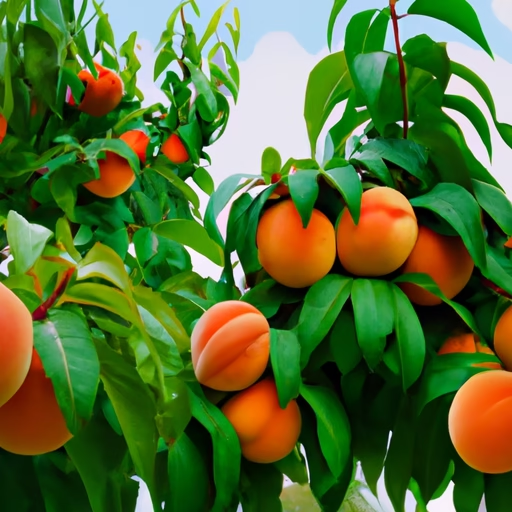
4) Peach or nectarine (best for warm, sunny microclimates)
If you have a warm, sheltered balcony or patio, a compact peach/nectarine can be incredibly rewarding.
Why it’s easy (with the right spot)
- Fast-growing
- Beautiful spring blooms
- Sweet, homegrown fruit you can’t replicate from stores
Urban tip
- Protect blossoms from late frost if your area is chilly.
The easiest fruiting plants (not trees) for urban gardens
Sometimes the easiest “fruit garden” isn’t a tree at all—it’s a few high-producing plants you can tuck into containers.
5) Strawberries (best beginner fruit plant)
Strawberries are practically designed for city gardening: pots, rail planters, towers, hanging baskets—whatever you have.
Why it’s easy
- Quick harvest
- Great for small containers
- Excellent for beginners
Fast win Plant a few now, and you can often harvest within weeks depending on type and season.
Growing guide:
Do-follow: https://www.almanac.com/plant/strawberries
6) Blueberries (best “healthy snack” container fruit)
Blueberries are a top pick for urban gardeners who want beauty and function. They also have gorgeous fall color.
Why it’s easy
- Works very well in pots
- High yield once established
- Low mess, no thorns
One key requirement Blueberries like acidic soil. Use an ericaceous compost/potting mix and avoid hard tap water if it’s very alkaline.
This Emerald Blueberry Plant is available for your house! Dont like? ENJOY $20 OFF of $150 or more Use Code: 20YD150

7) Raspberries (best high-yield small-space fruit)
Raspberries can produce a lot in a small footprint, especially if you choose compact or container-suitable varieties.
Why it’s easy
- Huge payoff per plant
- Reliable fruiting
- Great for vertical supports
Urban tip Use a pot plus a small trellis, or grow against a sunny fence.
8) Dwarf or patio cherry (best “treat fruit” for small gardens)
Cherries feel like a luxury harvest—perfect for fresh snacking. Patio varieties exist that stay manageable in large pots.
Why it’s easy
- Compact options available
- Beautiful spring blossoms
- Great taste when picked ripe
How to succeed fast: urban fruit growing checklist
Use this simple setup to avoid the most common beginner mistakes.
Container + soil basics
- Pot size: start with 30–50 cm wide for dwarf trees when possible
- Drainage: must have holes (no exceptions)
- Potting mix: quality compost-based mix; add perlite for airflow
- Top layer mulch: helps reduce watering stress
Sunlight (the make-or-break factor)
- Most fruit needs 6+ hours of sun
- If you have less sun: choose strawberries, some figs, and certain berries over sun-hungry trees
Watering (the easiest “upgrade”)
- Containers dry out fast—check daily in summer
- Water deeply until it drains out the bottom
- Avoid constantly “sipping” small amounts
Feeding
- Use a fruit-specific fertilizer in the growing season
- Citrus often benefits from regular feeding during active growth
Best picks by urban situation (quick list)
Best for balconies
- Strawberries
- Dwarf citrus
- Blueberries
Best for beginners
- Strawberries
- Fig tree
- Blueberries
Best fast rewards
- Strawberries
- Raspberries
- Dwarf peach/nectarine (in strong sun)
Best for lowest maintenance
- Fig
- Blueberries (once soil is right)
- Strawberries
FAQs: Easy fruit trees & plants for an urban garden
What is the easiest fruit to grow in pots?
Strawberries are usually the easiest and fastest. For trees, dwarf citrus and figs are excellent container choices.
What fruit tree grows best in a small urban garden?
A dwarf lemon tree, dwarf fig, or dwarf apple (with the right pollination plan) tends to do best in limited space.
How much sunlight do fruit trees need on a balcony?
Most need 6+ hours of direct sun for best fruiting. If you have less, choose strawberries and some berry varieties, and focus on reflective light (light walls help).
Can I grow fruit indoors in an apartment?
You can grow some fruit indoors near a very bright window, but yields are usually lower. Dwarf citrus can work indoors with strong light, and many people add a grow light for success.
Do I need two fruit trees to get fruit?
Sometimes. Many apples and cherries benefit from cross-pollination, but you can buy self-fertile varieties. Strawberries, figs (many types), and most citrus are typically easier for solo setups.
What’s the best low maintenance fruit plant for beginners?
Strawberries for quick success, and figs for a forgiving fruit tree that doesn’t demand constant care.