What you’ll learn in this post
- How to identify common garden pests by appearance and plant damage
- How to distinguish harmful insects from beneficial garden visitors
- Quick, eco-friendly ways to control pests before they spread
- How to create a simple garden pest identification checklist
- Dont forget to check the offers at the end of the article…
Watching a once-healthy plant become riddled with holes can feel heartbreaking. You watered it, fed it, and waited patiently for flowers or vegetables—only to discover curling leaves, sticky stems, or an army of mysterious insects.
Before reaching for a pesticide, pause. Accurate garden pest identification can save your plants, protect pollinators, and prevent you from treating the wrong problem. This guide will help you recognize common garden pests quickly and choose practical solutions that work with nature rather than against it.
Why Garden Pest Identification Matters
Not every bug in your garden is an enemy. Ladybugs, lacewings, ground beetles, hoverflies, and many wasps naturally control destructive pests. Applying a broad-spectrum insecticide without identifying the culprit can kill these valuable allies while leaving the original problem unresolved.
Correct pest identification helps you:
- Target the actual pest
- Avoid unnecessary pesticide use
- Protect bees, butterflies, and beneficial insects
- Prevent minor damage from becoming a major infestation
- Select the safest and most effective treatment
- Save money on unsuitable garden products
The key is to investigate the evidence rather than assuming every damaged leaf means “bugs.”
Start With the Damage, Not the Insect
Many garden pests hide under leaves, feed at night, or leave before you notice the damage. Fortunately, their feeding patterns often reveal their identity.
Ask these quick questions:
- Which plant is affected? Some pests prefer specific plant families.
- What does the damage look like? Look for holes, spots, tunnels, curling, discoloration, or missing tissue.
- Where is the damage located? Check new growth, older leaves, stems, roots, flowers, and fruit.
- When does the damage occur? Nighttime damage may suggest slugs, snails, earwigs, or cutworms.
- Are there additional clues? Search for webbing, droppings, eggs, sticky residue, shed skins, or trails.
Use a flashlight to inspect plants after sunset. You may catch nocturnal pests that remain hidden during the day.
Common Garden Pests and Their Warning Signs
1. Aphids
Aphids are tiny, soft-bodied insects that gather in clusters around tender stems, flower buds, and the undersides of leaves. They may be green, black, yellow, gray, red, or brown.
Typical signs:
- Curled or distorted new leaves
- Sticky honeydew on stems and foliage
- Black sooty mold growing on honeydew
- Ants traveling up and down the plant
- Clusters of pear-shaped insects
Quick solution: Spray the plant with a firm stream of water. For persistent infestations, use insecticidal soap according to the label. Avoid spraying open flowers or applying treatments when pollinators are active.
2. Slugs and Snails
Slugs and snails create irregular holes in leaves, seedlings, fruit, and low-growing plants. Their shiny slime trails are one of the easiest garden pest identification clues.
Typical signs:
- Ragged holes with smooth edges
- Missing seedlings
- Silvery slime trails
- Damage appearing overnight
- Greater activity during wet weather
Quick solution: Remove hiding places, water in the morning, and inspect plants at night. Copper barriers and iron phosphate bait may also help when used according to label directions.
3. Caterpillars
Caterpillars range from tiny loopers to large hornworms. Some chew leaves openly, while others hide along stems or under foliage.
Typical signs:
- Large or irregular leaf holes
- Leaves stripped down to the veins
- Dark droppings, known as frass
- Rolled or webbed leaves
- Damage concentrated on vegetables such as cabbage or tomatoes
Quick solution: Handpick visible caterpillars while wearing gloves. Before removing them, confirm that they are not butterfly larvae you want to support. For serious infestations, Bacillus thuringiensis var. kurstaki may control young pest caterpillars when used correctly.
4. Spider Mites
Spider mites are not insects; they are tiny relatives of spiders. They thrive in hot, dry conditions and can multiply rapidly.
Typical signs:
- Fine webbing between leaves and stems
- Yellow or pale stippling on foliage
- Bronzed, dry-looking leaves
- Tiny moving dots under leaves
- Premature leaf drop
Quick solution: Rinse leaf undersides regularly and improve plant hydration. Insecticidal soap or horticultural oil may help, but complete coverage is essential.
5. Whiteflies
Whiteflies are small, winged insects commonly found beneath leaves. When an infested plant is disturbed, they often fly up in a white cloud.
Typical signs:
- Tiny white insects under foliage
- Yellowing or wilting leaves
- Sticky honeydew
- Sooty mold
- Weak or stunted growth
Quick solution: Remove heavily infested leaves, use yellow sticky traps for monitoring, and encourage predators such as lacewings and ladybugs.
6. Flea Beetles
Flea beetles are tiny, shiny beetles that jump when disturbed. They frequently attack young eggplants, radishes, arugula, cabbage, and other vegetables.
Typical signs:
- Numerous tiny “shot holes” in leaves
- Damage concentrated on seedlings
- Small beetles jumping from foliage
- Reduced growth in young plants
Quick solution: Protect seedlings with insect netting or floating row covers. Remove the covers when crops need pollination.
7. Japanese Beetles
Adult Japanese beetles have metallic green bodies and copper-colored wing covers. They often gather in groups and skeletonize leaves.
Typical signs:
- Leaves eaten between the veins
- Lace-like or skeletonized foliage
- Beetles feeding on roses, grapes, beans, and fruit trees
- Groups of beetles on sunny plant surfaces
Quick solution: Handpick them early in the morning and drop them into soapy water. Avoid traps near vulnerable plants because traps can attract additional beetles to the area.
8. Cutworms
Cutworms are caterpillars that hide in the soil during the day and feed at night.
Typical signs:
- Seedlings cut off at soil level
- Wilted young transplants
- Thick caterpillars curled into a “C” shape near the plant base
- Sudden damage appearing overnight
Quick solution: Search the top layer of soil around damaged plants. Cardboard or reusable plant collars placed around young stems can create an effective physical barrier.
9. Squash Bugs
Squash bugs commonly attack squash, pumpkins, and related plants. Adults are flat, brownish-gray insects, while their bronze-colored eggs are often arranged in clusters beneath leaves.
Typical signs:
- Yellow spots that turn brown
- Wilting vines
- Bronze egg clusters under leaves
- Groups of gray nymphs
- Rapid decline of squash plants
Quick solution: Inspect leaf undersides frequently, remove egg clusters, and place boards near plants as overnight shelters. Check beneath the boards in the morning and remove hiding bugs.
Garden Pest Identification Quick Chart
| Damage or clue | Possible pest | First action |
|---|---|---|
| Sticky leaves and curled growth | Aphids or whiteflies | Check under leaves and rinse with water |
| Slime trails and overnight holes | Slugs or snails | Inspect after dark and remove hiding places |
| Fine webbing and yellow speckles | Spider mites | Rinse leaf undersides |
| Tiny round holes | Flea beetles | Protect seedlings with insect netting |
| Leaves stripped to the veins | Caterpillars or Japanese beetles | Inspect foliage and handpick pests |
| Seedlings cut at soil level | Cutworms | Search the soil around each stem |
| Winding tunnels inside leaves | Leaf miners | Remove badly affected leaves |
| White powder without visible insects | Powdery mildew | Improve airflow and confirm disease diagnosis |
Pest Damage or Plant Disease?
One of the most common mistakes is treating a plant disease as an insect infestation. Fungal, bacterial, environmental, and watering problems can resemble pest damage.
It may be an insect pest if you see:
- Chewed leaf tissue
- Visible eggs, larvae, or adults
- Frass or insect droppings
- Honeydew and sooty mold
- Webbing, tunnels, or scale-like bumps
It may be a disease or environmental issue if you see:
- Circular spots with colored borders
- Powdery coatings
- Yellowing without visible feeding damage
- Wilting despite moist soil
- Damage following frost, heat, drought, or fertilizer application
When uncertain, photograph the entire plant, a damaged leaf, and any insects you find. Compare your evidence with the pest resources from the University of California Integrated Pest Management Program or contact a local university extension office.
You can also upload clear photographs to iNaturalist for community-supported identification.
The Best Approach: Integrated Pest Management
Integrated Pest Management, or IPM, combines prevention, monitoring, and targeted control. Instead of automatically spraying, IPM begins with the least disruptive solution.
Follow this practical order:
- Confirm the pest. Identify the insect and its life stage.
- Measure the damage. A few holes may not threaten the plant.
- Remove pests manually. Handpick insects or prune affected leaves.
- Use physical protection. Add barriers, netting, collars, or traps.
- Support natural predators. Grow nectar-rich flowers and avoid unnecessary insecticides.
- Apply targeted products only when necessary. Follow the product label exactly.
- Monitor the plant. Check whether the treatment worked before repeating it.
This approach offers a valuable advantage: it controls harmful pests while preserving the natural balance that makes a garden resilient.
For guidance on lower-risk pest control, visit the EPA’s Integrated Pest Management resource.
Beneficial Insects You Should Not Remove
Effective garden bug identification includes recognizing the helpers.
Ladybugs
Both adults and larvae eat aphids. Ladybug larvae are dark, elongated, and spiky, so they are sometimes mistaken for pests.
Lacewings
Lacewing larvae consume aphids, mites, thrips, and small caterpillars. Adults have delicate, transparent wings.
Hoverflies
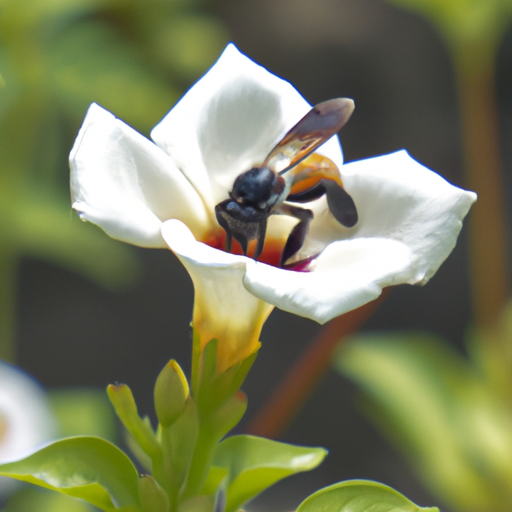
Adult hoverflies resemble small bees but do not sting. Their larvae are effective aphid predators.
Ground Beetles
These dark, fast-moving beetles hunt slugs, insect eggs, caterpillars, and other soil-level pests.
Parasitic Wasps
Many parasitic wasps are tiny and harmless to people. They lay eggs in or on pest insects, naturally reducing garden infestations.
A garden filled with diverse flowers, herbs, and shelter is more likely to attract these natural pest-control partners.
Build Your Own Pest Identification Kit
You do not need expensive equipment. Keep these items together for faster inspections:
- Magnifying glass or clip-on phone macro lens
- Flashlight for nighttime checks
- Gardening gloves
- Small clear container
- White paper for shaking insects from leaves
- Notebook or garden journal
- Phone camera
- Plant labels
- Soft brush or tweezers
Photograph pests beside a coin or ruler to provide scale. Record the plant, date, weather, damage pattern, and location. This creates a useful history if the same problem returns.
A Simple 10-Minute Weekly Inspection
Early detection can stop an infestation before it becomes overwhelming.
- Walk through the garden slowly.
- Examine new growth first.
- Turn over several leaves on each plant.
- Check stems and soil level.
- Look for eggs, webbing, droppings, and sticky residue.
- Photograph anything unfamiliar.
- Remove isolated pests when appropriate.
- Record changes in a garden journal.
The goal is not to create an insect-free garden. A healthy garden contains insects, predators, and minor imperfections. The goal is to prevent unacceptable plant damage while protecting the surrounding ecosystem.
Free Garden Pest Identification Offers and Resources
Make your next garden inspection easier with these useful resources:
- Free pest database: Explore photographs and pest-management information through UC IPM Home and Garden.
- Free identification support: Find your regional office through the USDA Land-Grant University Directory.
- Free mobile identification tool: Upload insect photographs to the iNaturalist app.
- Free pollinator protection guidance: Review pesticide safety information from the EPA Pollinator Protection Program.
These resources strengthen the article’s core USP: identify first, treat second, and protect the beneficial life that keeps your garden thriving.
Frequently Asked Questions
What is the easiest way to identify a garden pest?
Start with the damaged plant and feeding pattern. Check leaf undersides, stems, flowers, and nearby soil for insects, eggs, webbing, droppings, honeydew, or slime trails. Take clear photographs and compare them with a university-backed pest database.
Is there a free app for garden pest identification?
Yes. iNaturalist can suggest possible insect identifications based on uploaded photographs. Picture-based tools are helpful, but important identifications should be confirmed through a local extension service or trusted IPM resource.
What insect is eating holes in my plant leaves?
Irregular holes may be caused by caterpillars, slugs, snails, earwigs, or beetles. Tiny round holes often indicate flea beetles, while leaves eaten between the veins may suggest Japanese beetles or caterpillars.
How can I identify pests that feed at night?
Inspect plants with a flashlight one or two hours after sunset. Check beneath leaves, around stems, and near the soil. Slugs, snails, cutworms, and earwigs are more likely to appear after dark.
Should I spray a plant as soon as I see an insect?
No. Identify the insect first and determine whether the damage threatens the plant. It may be a harmless visitor or beneficial predator. If treatment is needed, begin with manual removal, water sprays, barriers, or another low-impact method.
How do I identify tiny bugs under plant leaves?
Place white paper beneath the foliage and gently tap the leaves. Use a magnifying glass or phone macro lens to inspect what falls. Webbing may indicate spider mites, jumping insects may be thrips or leafhoppers, and clusters of pear-shaped insects are likely aphids.
Can damaged plants recover from garden pests?
Many plants recover when pests are detected early and growing conditions remain healthy. Remove severely damaged foliage only when necessary, provide appropriate water and nutrition, and continue monitoring for new damage.
How often should I inspect my garden for pests?
Inspect your garden at least once a week and more frequently during warm weather or rapid plant growth. Check newly planted seedlings every few days because they can be destroyed quickly.
🌿 Helpful Deals & Resources
-Check out VRBO for your home away from home now for great deals: Vrbo Homes
-Do you Shop Online? use Rakuten to get cashback with your first purchase spend 50$ get $50 back via paypal or giftcards use link: Rakuten Cash Back
-Do you Shop Online? and want to compare between Rakuten and Honey (Paypal) then use use link to get $5 back on your first purchase:Honey Cash Back
–Temu (Temu Site link) 100 coupon bundle with download of app New User OnlyCoupon Bundle
-Temu (Temu Site link) US Users get 30% off for orders $39+, max deduction $25. New User Only! 30 off
–Check out Orbitz for Weekly Deals: Last Minute Hotel Deals, Flights, Vacation and Car rentals!
–Take supplements? How about 25% off? Shop Natural Made’s best sellers now and receive 25% off your first order. use link: 25 off first order
– Need a new phone Get Mobile & Internet together. $70/month on Verizon
– Looking for Wall Prints for your house checkout the latest styles here: TheVelouraPrints
The Struggles of a Lonely Entrepreneur: The truth is, entrepreneurship is as much about resilience as it is about success. These struggles are vividly captured in The Lonely Entrepreneur: How to Stay Motivated When No One Gets Your Hustle.
Qmee: The reason i like this is the pay out is as much as you have in your account. They use paypal to send you the money. If you are constant enough they add a 10% streak to your winnings. I usually look out for at least .10 cents a minute surveys. (So if the survey is 6 minutes i want at least .60 cents) The Amount of money you can make is based on your time and how many surveys you do! **No guarantee that you will get every survey** By signing up with the link below you get .50 Cents to start! Sign up on the computer only to get the reward! use link: Qmee
1Q: The ultimate favorite every single poll question that you get is .25 ! direct to paypal! No hassle no long wait just fill the question and get the money. The Amount of money you can make is based how many surveys come out and how often. Its usually about 1-2 questions a month use link: 1Q
User Interviews: User Interviews is one of the upcoming survey apps. This one is DIFFERENT then whats mentioned above. These are more focus groups that pay at least 1$/min and usually vary in length and dollar value. For example a 5 minute focus group give you 10$. **No guarantee that you will get every survey** With my code you will receive a start bonus of 10$. use link: userinterviews
McMoney: Already get thoses spam texts? Why not get paid for each one? With McMoney every so often they will send you a random text that you have to do nothing about… each text is .06 and after 6$ they send the payout to paypal. use code G3ZPZMRM for bonus start! Mcmoney
Worthy Worthy Bonds are 10$ each but they pay 5% interest a year and paid out daily. ** As like any investment their is no guarantee on investing your money, these are just some options** With my code you will receive a free bond (10$) for signing up for the app. use link: Worthy
Fundrise Ever want to invest in real estate and have no money? With Fundrise you now can! They Invest your money for you in their real estate portfolio. You can invest for as little as 10$! They pay dividends and they say the rate of return is an average of 5% ** As like any investment their is no guarantee on investing your money, these are just some options** With my code you will receive bonus shares for signing up for the app. use link: Fundrise
Robinhood: This is a user friendly trading app, where you can invest in stocks or fractions of your favorite stocks! Webull has really good technical information for trading which once you get the hang of it; it really makes a difference in your trading. ** As like any investment their is no guarantee on investing your money, these are just some options** With my code you will receive 12 fractional stocks shares for signing up for the app ( The Value is random). use link: Robinhood
Webull This is a user friendly trading app, where you can invest in stocks or fractions of your favorite stocks! Webull has a really good technical interface. It is the better app if you are about making trades using charts and signals. ** As like any investment their is no guarantee on investing your money, these are just some options** With my code you will receive 12 free stock fractional shares for signing up for the app ( The Value is random). use link: Webull