What you’ll learn in this post: What gardening means, what it entails, the main types of gardening, essential tools, common benefits, and simple steps for starting a successful garden.
The first green shoot pushing through the soil can feel like a small miracle. It is proof that with patience, care, and a little knowledge, you can transform an empty patch of earth—or even a sunny windowsill—into something beautiful and alive.
But what is gardening, and what does it entail? Gardening is the practice of planning, growing, and caring for plants in a defined space. It can involve cultivating flowers, vegetables, fruits, herbs, trees, or ornamental plants for food, beauty, relaxation, wildlife, or environmental improvement.
More importantly, gardening is not reserved for people with large yards or years of experience. Anyone can begin, regardless of space, budget, or skill level.
What Is Gardening?
Gardening is the intentional cultivation and maintenance of plants. It combines practical activities—such as preparing soil, planting seeds, watering, pruning, and harvesting—with creative decisions about color, layout, texture, and purpose.
A garden may be:
- A traditional backyard vegetable plot
- A flower bed beside a home
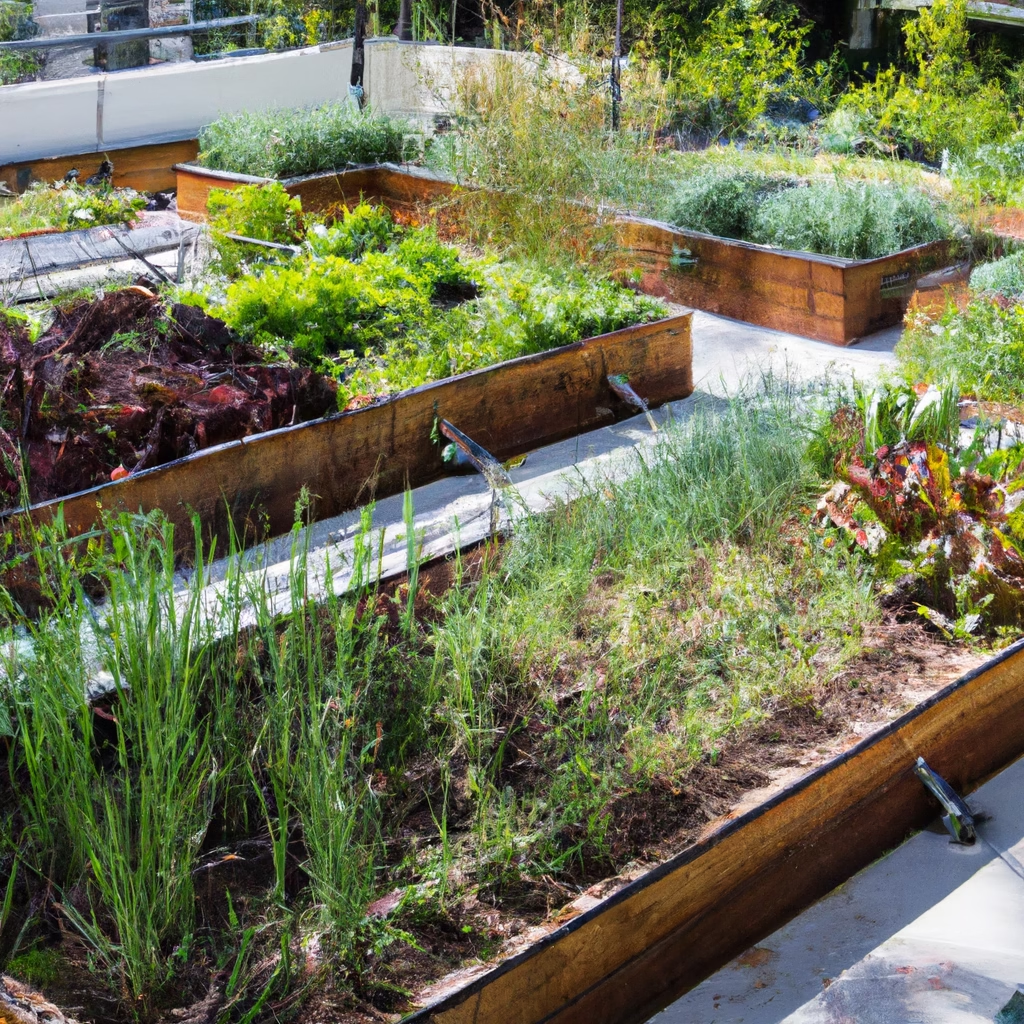
- A collection of containers on a balcony
- An indoor herb garden
- A community growing space
- A wildlife or pollinator garden
- A vertical garden on a wall or fence
Unlike large-scale farming, gardening generally takes place on a smaller scale and often focuses on personal use, recreation, or decorative value. It also differs from landscaping, which includes broader design elements such as pathways, patios, fencing, lighting, and outdoor structures.
Quick answer
Gardening entails choosing a suitable space, improving the soil, selecting plants, planting them correctly, providing water and nutrients, controlling weeds and pests, pruning when necessary, and enjoying or harvesting the results.
What Does Gardening Entail?
A thriving garden does not happen through watering alone. Successful gardening is a cycle of planning, observation, care, and adjustment.
Unlike basic gardening definitions that leave beginners wondering what to do next, this guide offers a practical, start-to-finish framework. Its unique advantage is simplicity: you can use the following steps to create a garden that fits your space, schedule, and goals.
1. Choosing the Right Location
Every garden begins with the right space. Before buying plants, observe your potential gardening area throughout the day.
Consider:
- Sunlight: Most vegetables and flowering plants need six to eight hours of direct sunlight.
- Water access: A nearby water source makes regular care easier.
- Drainage: Water should not remain pooled around plant roots.
- Wind exposure: Strong winds can damage delicate plants and dry out soil.
- Convenience: A visible, accessible garden is easier to maintain.
If outdoor space is limited, container gardening, windowsill gardening, and vertical gardening are excellent alternatives.
2. Understanding and Preparing the Soil
Healthy soil is the foundation of healthy plants. It supports roots, stores water, delivers nutrients, and contains beneficial microorganisms.
Garden soil generally includes different proportions of sand, silt, clay, and organic matter. Before planting, loosen compacted soil and remove stones, weeds, and debris. Adding finished compost can improve soil structure, drainage, and nutrient availability.
The U.S. Environmental Protection Agency’s composting guide explains how food scraps and garden waste can be turned into valuable organic material.
A soil test can also reveal:
- Soil pH
- Nutrient deficiencies
- Organic matter levels
- Fertilizer requirements
Testing helps prevent unnecessary fertilization and allows you to choose plants suited to your conditions.
3. Selecting Suitable Plants
It is easy to fall in love with a colorful plant at a garden center, but appearance is only one consideration. Plants must match the local climate and conditions in your garden.
Choose plants based on:
- Available sunlight
- Soil type and pH
- Local temperatures
- Rainfall and humidity
- Mature plant size
- Maintenance requirements
- Your available time
Gardeners in the United States can use the USDA Plant Hardiness Zone Map to identify plants likely to survive local winter temperatures.
Native plants are particularly valuable because they are adapted to regional conditions and can provide food and shelter for local wildlife. The National Wildlife Federation’s native plant resources can help you explore suitable options.
4. Planting Seeds or Young Plants
Garden plants can be started from seeds, seedlings, bulbs, cuttings, or established plants.
Seeds are usually affordable and provide access to many varieties. Young plants offer faster results and may be easier for beginners. Whichever method you choose, follow the recommended spacing and planting depth.
Planting too deeply can prevent seeds from emerging, while overcrowding reduces airflow and creates competition for sunlight, water, and nutrients.
Check seed packets or plant labels for instructions on:
- Planting depth
- Spacing
- Germination time
- Sunlight requirements
- Expected maturity date
5. Watering Correctly
Watering is one of the most important parts of gardening—and one of the easiest to get wrong.
Too little water causes wilting and weak growth. Too much water can suffocate roots, wash away nutrients, and encourage disease.
For effective watering:
- Check the soil before watering.
- Water deeply rather than giving frequent, shallow sprinkles.
- Direct water toward the root zone.
- Water early in the morning when possible.
- Use mulch to reduce evaporation.
- Adjust watering according to rainfall and temperature.
New plants usually need more frequent attention until their root systems become established. Containers may also dry out faster than in-ground beds.
6. Feeding Plants
Plants need nutrients such as nitrogen, phosphorus, and potassium, along with smaller amounts of other minerals. Compost, organic matter, and suitable fertilizers can replace nutrients used during growth.
More fertilizer does not always mean more flowers or produce. Overfertilizing can burn roots, cause excessive leafy growth, pollute waterways, and make plants more vulnerable to certain pests.
Use soil-test recommendations and follow product labels carefully.
7. Managing Weeds, Pests, and Diseases
Gardening includes protecting plants without disturbing the natural balance of the garden.
Weeds compete with desired plants for space, light, water, and nutrients. Remove them while they are young, preferably before they produce seeds. Applying mulch can help suppress future weed growth.
For pests and diseases, begin with prevention:
- Grow plant varieties suited to your area.
- Leave enough space for air circulation.
- Inspect leaves regularly.
- Remove diseased plant material.
- Keep gardening tools clean.
- Encourage beneficial insects.
- Rotate annual crops when possible.
- Use chemical controls only when necessary.
Not every insect is harmful. Bees, butterflies, ladybirds, hoverflies, and other creatures can pollinate plants or help control pests.
8. Pruning and General Maintenance
Some plants need pruning to remove damaged growth, improve airflow, maintain shape, or encourage flowers and fruit.
Regular garden maintenance may include:
- Removing faded flowers
- Supporting tall or climbing plants
- Thinning crowded seedlings
- Replacing mulch
- Cleaning tools
- Dividing overgrown perennials
- Collecting fallen or diseased leaves
- Preparing plants for seasonal weather
The key is consistency. Ten attentive minutes several times a week can be more effective than one exhausting day each month.
9. Harvesting and Enjoying the Results
In an edible garden, harvesting at the right time improves flavor and encourages some plants to produce more. Herbs are often most flavorful before flowering, while vegetables have different signs of ripeness.
In ornamental gardens, the reward may be fragrance, seasonal color, privacy, cut flowers, or visits from birds and butterflies.
Gardening’s greatest harvest, however, is not always something you can place in a basket. It may be a calmer mind, a stronger connection with nature, or the confidence that comes from nurturing life.
Popular Types of Gardening
There is no single “correct” way to garden. The best approach is one that matches your space, interests, and lifestyle.
This Agave Blue Glow Plant is available for your house use link below the photo! Dont like? ENJOY $20 OFF of $150 or more Use Code: 20YD150

Vegetable gardening
Vegetable gardens produce fresh food such as tomatoes, lettuce, beans, carrots, peppers, and courgettes. They can be grown in traditional rows, raised beds, or containers.
Flower gardening
Flower gardens focus on color, fragrance, shape, and seasonal interest. They may contain annuals, perennials, bulbs, shrubs, and flowering trees.
Herb gardening
Herbs such as basil, mint, rosemary, parsley, thyme, and chives can grow in beds, pots, or sunny windows. Herb gardening is an accessible option for beginners.
Container gardening
Container gardening uses pots, planters, tubs, or other vessels. It is ideal for balconies, patios, rented properties, and small urban spaces.
Indoor gardening
Indoor gardening brings plants into the home. It may involve houseplants, herbs, succulents, microgreens, or hydroponic systems.
Organic gardening
Organic gardening prioritizes natural soil improvement, biodiversity, composting, crop rotation, and non-synthetic pest-management methods.
Wildlife gardening
Wildlife gardens provide food, water, shelter, and nesting areas for birds, pollinators, and other beneficial creatures. Native flowers, water sources, and varied plant heights can make even a small garden more welcoming.
What Are the Benefits of Gardening?
Gardening offers rewards that reach far beyond attractive flowers and fresh produce.
Key gardening benefits
- Physical activity: Digging, planting, carrying, and weeding keep the body moving.
- Stress relief: Time around plants can provide a calming break from daily pressures.
- Fresh food: Homegrown herbs, fruits, and vegetables can support a varied diet.
- Environmental value: Plants can support pollinators, improve soil, and add biodiversity.
- Creative expression: Gardeners can experiment with colors, structures, and planting combinations.
- Education: Gardening teaches patience, observation, problem-solving, and responsibility.
- Community connection: Shared gardens can bring neighbors and generations together.
- Financial savings: Productive gardens may reduce spending on selected herbs and vegetables.
Gardening can contribute to general physical activity, although intensity varies by task. The Centers for Disease Control and Prevention provides guidance on the health benefits of regular movement.
Essential Gardening Tools for Beginners
You do not need a shed full of expensive equipment. Start with a small set of dependable tools and add more only when necessary.
Beginner gardening checklist
- Gardening gloves
- Hand trowel
- Hand fork or cultivator
- Watering can or hose
- Pruning shears
- Spade or shovel
- Garden fork
- Rake
- Bucket or garden container
- Plant labels
For container or indoor gardening, a hand trowel, watering can, gloves, and pruning shears may be enough.
Choose comfortable, durable tools that suit your strength and garden size. Clean them after use and store them somewhere dry.
How to Start Gardening in 7 Simple Steps
Feeling inspired but unsure where to begin? Keep your first garden manageable.
- Choose one goal. Decide whether you want herbs, vegetables, flowers, or wildlife-friendly plants.
- Observe your space. Record sunlight, wind, drainage, and available room.
- Start small. Try one raised bed, three containers, or a short border.
- Improve the soil. Add compost where appropriate and consider a soil test.
- Select easy plants. Choose varieties suited to your climate and light conditions.
- Create a care routine. Check soil moisture, weeds, and plant health regularly.
- Keep notes. Record planting dates, successes, problems, and harvests.
Beginner-friendly options include lettuce, radishes, beans, courgettes, marigolds, nasturtiums, chives, mint in containers, and many native wildflowers.
Common Gardening Mistakes to Avoid
Even experienced gardeners lose plants occasionally. Mistakes are part of learning, but a few simple precautions can prevent disappointment.
Avoid:
- Starting with a garden that is too large
- Choosing plants unsuitable for the location
- Planting too close together
- Watering on a rigid schedule without checking the soil
- Ignoring mature plant size
- Using too much fertilizer
- Allowing weeds to set seed
- Treating every insect as a pest
- Expecting immediate perfection
A garden is never truly finished. It changes with the weather, the seasons, and your growing experience.
Is Gardening Expensive or Time-Consuming?
Gardening can be adapted to almost any budget or schedule.
To reduce costs:
- Grow plants from seed.
- Reuse suitable containers with drainage holes.
- Swap seeds and plants with local gardeners.
- Make compost from appropriate household scraps.
- Choose perennials that return each year.
- Collect rainwater where local rules permit.
- Buy only the tools you genuinely need.
To save time, select low-maintenance plants, use mulch, install efficient irrigation, and keep your garden small enough to enjoy.
Start Growing Something Today
Gardening is the thoughtful practice of cultivating plants, but it is also an invitation to slow down, pay attention, and participate in the living world around you.
You do not need perfect soil, a large yard, or expert knowledge. Choose one pot, one plant, or one small patch of ground. Learn what it needs, care for it consistently, and allow experience to build your confidence.
The garden you imagine does not have to appear overnight. It only has to begin.
Frequently Asked Questions
What is gardening in simple words?
Gardening is the activity of growing and caring for plants in spaces such as yards, containers, balconies, community plots, or indoor areas.
What are the main activities involved in gardening?
The main activities include planning a growing space, preparing soil, choosing plants, sowing or planting, watering, fertilizing, weeding, controlling pests, pruning, and harvesting.
What is the difference between gardening and farming?
Gardening usually occurs on a smaller scale and may focus on personal food, beauty, recreation, or wildlife. Farming generally involves larger-scale production of crops or livestock for commercial purposes.
Can I garden without a backyard?
Yes. You can grow herbs, flowers, compact vegetables, and houseplants in containers, window boxes, hanging baskets, or vertical systems.
What is the easiest type of gardening for beginners?
Container gardening is often one of the easiest options because it requires little space, offers control over soil quality, and is generally easier to maintain.
How often should a garden be watered?
Watering frequency depends on plant type, soil, weather, and whether plants are in containers or the ground. Check the soil first and water deeply when the root zone begins to dry.
Which plants are best for a first garden?
Good beginner choices may include lettuce, radishes, beans, marigolds, nasturtiums, basil, chives, and locally adapted native plants.
Is gardening good exercise?
Gardening can support physical activity through tasks such as digging, carrying, planting, raking, and weeding. The level of exertion depends on the activity and duration.
What is the most important part of gardening?
Understanding a plant’s needs is the most important part. Matching plants to suitable light, soil, water, climate, and space greatly improves the likelihood of success.
When is the best time to start gardening?
The best time depends on your climate and chosen plants. Many gardeners begin planning before the local growing season and plant after checking recommended sowing dates and frost conditions.
🌿 Helpful Deals & Resources
-Check out VRBO for your home away from home now for great deals: Vrbo Homes
-Do you Shop Online? use Rakuten to get cashback with your first purchase spend 50$ get $50 back via paypal or giftcards use link: Rakuten Cash Back
-Do you Shop Online? and want to compare between Rakuten and Honey (Paypal) then use use link to get $5 back on your first purchase:Honey Cash Back
–Temu (Temu Site link) 100 coupon bundle with download of app New User OnlyCoupon Bundle
-Temu (Temu Site link) US Users get 30% off for orders $39+, max deduction $25. New User Only! 30 off
–Check out Orbitz for Weekly Deals: Last Minute Hotel Deals, Flights, Vacation and Car rentals!
–Take supplements? How about 25% off? Shop Natural Made’s best sellers now and receive 25% off your first order. use link: 25 off first order
– Need a new phone Get Mobile & Internet together. $70/month on Verizon
– Looking for Wall Prints for your house checkout the latest styles here: TheVelouraPrints
The Struggles of a Lonely Entrepreneur: The truth is, entrepreneurship is as much about resilience as it is about success. These struggles are vividly captured in The Lonely Entrepreneur: How to Stay Motivated When No One Gets Your Hustle.
Qmee: The reason i like this is the pay out is as much as you have in your account. They use paypal to send you the money. If you are constant enough they add a 10% streak to your winnings. I usually look out for at least .10 cents a minute surveys. (So if the survey is 6 minutes i want at least .60 cents) The Amount of money you can make is based on your time and how many surveys you do! **No guarantee that you will get every survey** By signing up with the link below you get .50 Cents to start! Sign up on the computer only to get the reward! use link: Qmee
1Q: The ultimate favorite every single poll question that you get is .25 ! direct to paypal! No hassle no long wait just fill the question and get the money. The Amount of money you can make is based how many surveys come out and how often. Its usually about 1-2 questions a month use link: 1Q
User Interviews: User Interviews is one of the upcoming survey apps. This one is DIFFERENT then whats mentioned above. These are more focus groups that pay at least 1$/min and usually vary in length and dollar value. For example a 5 minute focus group give you 10$. **No guarantee that you will get every survey** With my code you will receive a start bonus of 10$. use link: userinterviews
McMoney: Already get thoses spam texts? Why not get paid for each one? With McMoney every so often they will send you a random text that you have to do nothing about… each text is .06 and after 6$ they send the payout to paypal. use code G3ZPZMRM for bonus start! Mcmoney
Worthy Worthy Bonds are 10$ each but they pay 5% interest a year and paid out daily. ** As like any investment their is no guarantee on investing your money, these are just some options** With my code you will receive a free bond (10$) for signing up for the app. use link: Worthy
Fundrise Ever want to invest in real estate and have no money? With Fundrise you now can! They Invest your money for you in their real estate portfolio. You can invest for as little as 10$! They pay dividends and they say the rate of return is an average of 5% ** As like any investment their is no guarantee on investing your money, these are just some options** With my code you will receive bonus shares for signing up for the app. use link: Fundrise
Robinhood: This is a user friendly trading app, where you can invest in stocks or fractions of your favorite stocks! Webull has really good technical information for trading which once you get the hang of it; it really makes a difference in your trading. ** As like any investment their is no guarantee on investing your money, these are just some options** With my code you will receive 12 fractional stocks shares for signing up for the app ( The Value is random). use link: Robinhood
Webull This is a user friendly trading app, where you can invest in stocks or fractions of your favorite stocks! Webull has a really good technical interface. It is the better app if you are about making trades using charts and signals. ** As like any investment their is no guarantee on investing your money, these are just some options** With my code you will receive 12 free stock fractional shares for signing up for the app ( The Value is random). use link: Webull