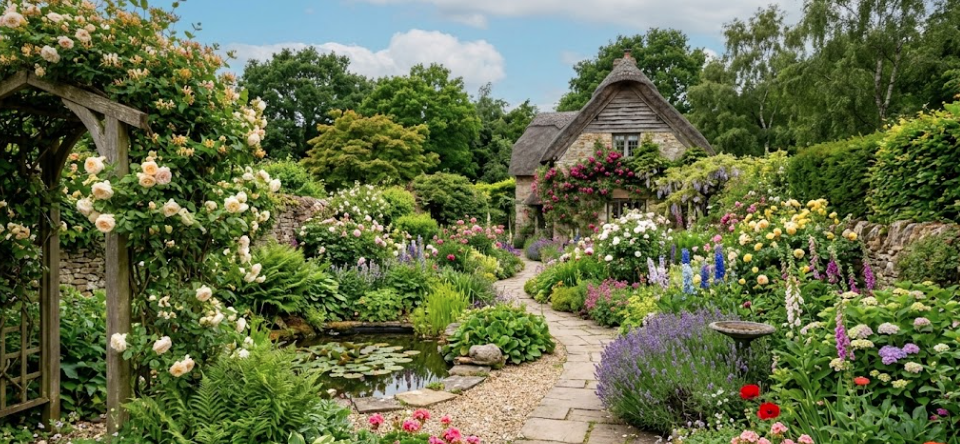
Gardening is more than a hobby, it’s a conversation with nature. Whether you’re cultivating a tiny balcony garden or tending a sprawling backyard, the act of growing plants connects us to something deeper. At Gardeningslash.com, we believe every patch of soil holds potential. With the right mindset and a few timeless strategies, you can turn any outdoor space into a thriving, vibrant sanctuary.
Let’s dig in.
1. Start with the Soil: The Foundation of Everything
Healthy plants begin underground. Before you buy seeds or flowers, understand your soil.
- Test your soil for pH and nutrient levels.
- Add organic compost to improve structure and fertility.
- Incorporate mulch to retain moisture and regulate temperature.
Soil rich in organic matter creates a balanced ecosystem, attracting beneficial microbes and earthworms that naturally enhance plant health. Remember: feed the soil, and the soil feeds the plants.
2. Choose Plants That Want to Be There
One of the biggest gardening mistakes is forcing plants to grow in unsuitable conditions. Instead, work with your environment.
- Observe sunlight patterns throughout the day.
- Note drainage after rainfall.
- Understand your USDA hardiness zone.
Native plants are especially resilient. They adapt to local climates, require less maintenance, and support pollinators like bees and butterflies.
3. Design with Purpose, Not Just Beauty
A beautiful garden is wonderful—but a purposeful garden is transformative.
Ask yourself:
- Do you want a peaceful retreat?
- A vegetable garden for fresh meals?
- A pollinator-friendly haven?
Layer your garden with intention:
- Taller shrubs or trellises at the back
- Mid-height flowering plants in the middle
- Ground covers and herbs at the front
This layered approach creates visual depth and maximizes space efficiency.
4. Water Smarter, Not More
Overwatering is just as harmful as underwatering. Instead of frequent shallow watering, aim for deep, less frequent sessions. This encourages roots to grow deeper and strengthens plants against drought.
Consider:
- Installing drip irrigation systems
- Collecting rainwater in barrels
- Watering early in the morning to reduce evaporation
Efficient watering not only conserves resources but builds resilience in your garden.
5. Embrace Companion Planting
Nature thrives on cooperation, and your garden can too.
Certain plants naturally benefit each other:
- Basil enhances tomato flavor and repels pests.
- Marigolds deter harmful insects.
- Beans enrich the soil with nitrogen for neighboring plants.
By understanding plant relationships, you reduce the need for chemical fertilizers and pesticides.
6. Think Seasonally for Year-Round Interest
A common misconception is that gardens peak only in spring and summer. With strategic planning, your space can shine year-round.
- Early bulbs like crocus and daffodils announce spring.
- Summer perennials bring vibrant color.
- Ornamental grasses glow in autumn.
- Evergreen shrubs provide winter structure.
Layering seasonal blooms ensures your garden always has something to offer.
7. Invite Wildlife (Yes, Really)
A healthy garden isn’t sterile—it’s alive.
Encourage biodiversity by:
- Installing bird feeders or baths
- Planting nectar-rich flowers
- Leaving small wild patches for beneficial insects
Pollinators increase plant productivity, and birds help manage pests naturally. The result? A self-regulating ecosystem that thrives with minimal intervention.
8. Prune with Confidence
Pruning can feel intimidating, but it’s essential for plant health.
Regular pruning:
- Improves airflow
- Encourages new growth
- Shapes plants for aesthetic balance
Research each plant’s specific pruning needs—some bloom on old wood, others on new growth. The right timing makes all the difference.
9. Grow Your Own Food—Even a Little
Even if space is limited, try growing something edible.
Container-friendly crops include:
- Cherry tomatoes
- Lettuce
- Spinach
- Herbs like rosemary and thyme
There’s something deeply satisfying about harvesting ingredients you nurtured from seed. Fresh-picked produce tastes better, costs less, and reconnects you with the rhythms of the seasons.
10. Be Patient and Observe
Gardening teaches patience in a fast-paced world.
Plants don’t rush—and neither should you. Spend time observing your garden:
- Which areas stay damp?
- Where do pests appear?
- Which plants thrive effortlessly?
These observations help you refine your strategy year after year. The best gardens evolve, guided by attentive hands and curious minds.
Final Thoughts: Your Garden, Your Story
Every garden tells a story. It reflects the climate, the soil, and most importantly, the gardener. There will be failures—plants that wilt, seeds that don’t sprout—but each setback is part of the learning process.
Start small. Experiment often. Celebrate growth.
In time, your garden won’t just be a collection of plants—it will become a living sanctuary that nurtures both body and soul.
Ready to pick up your gloves and begin? The soil is waiting. 🌱